6 Legends of the Alhambra You Should Know
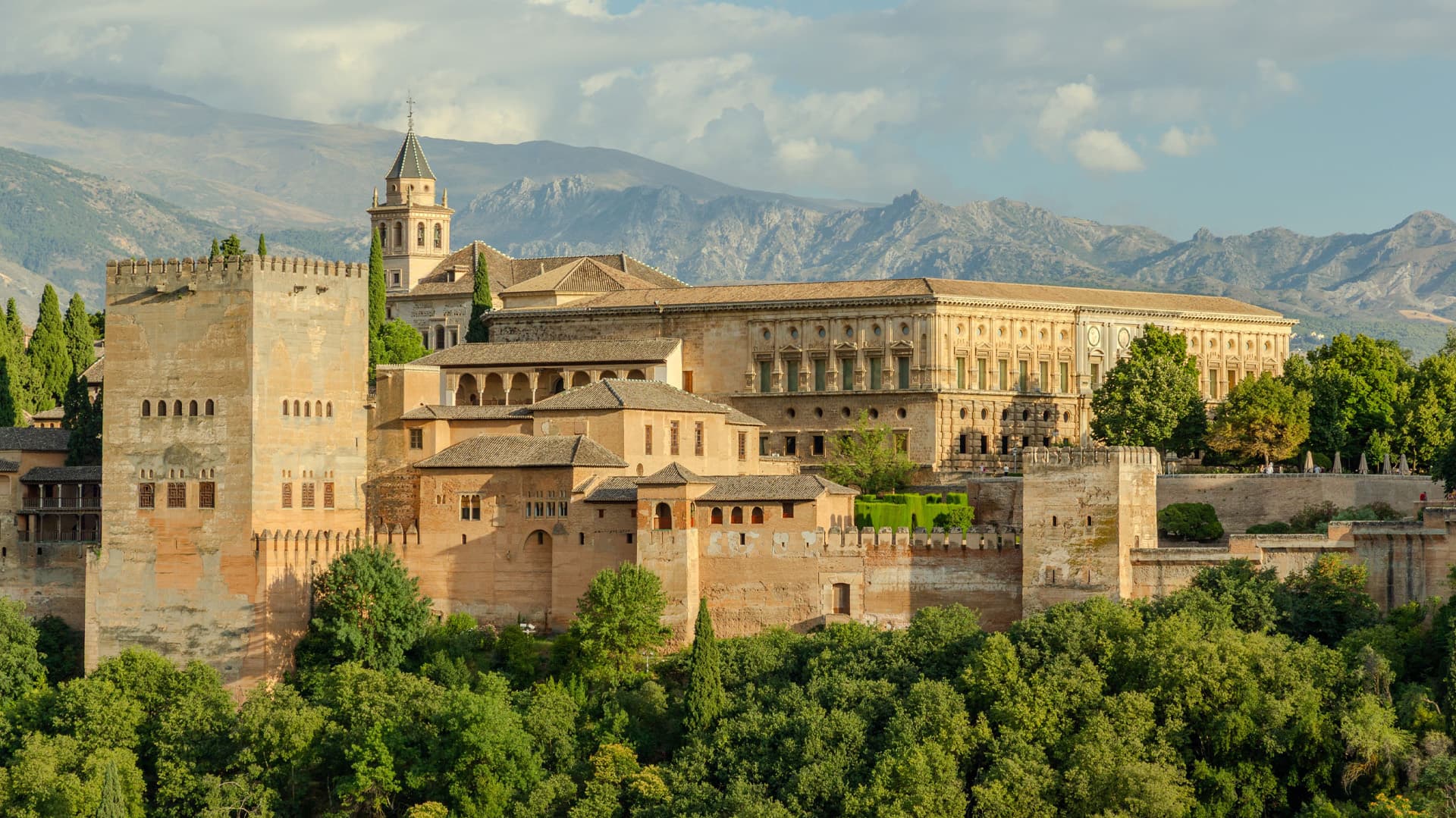
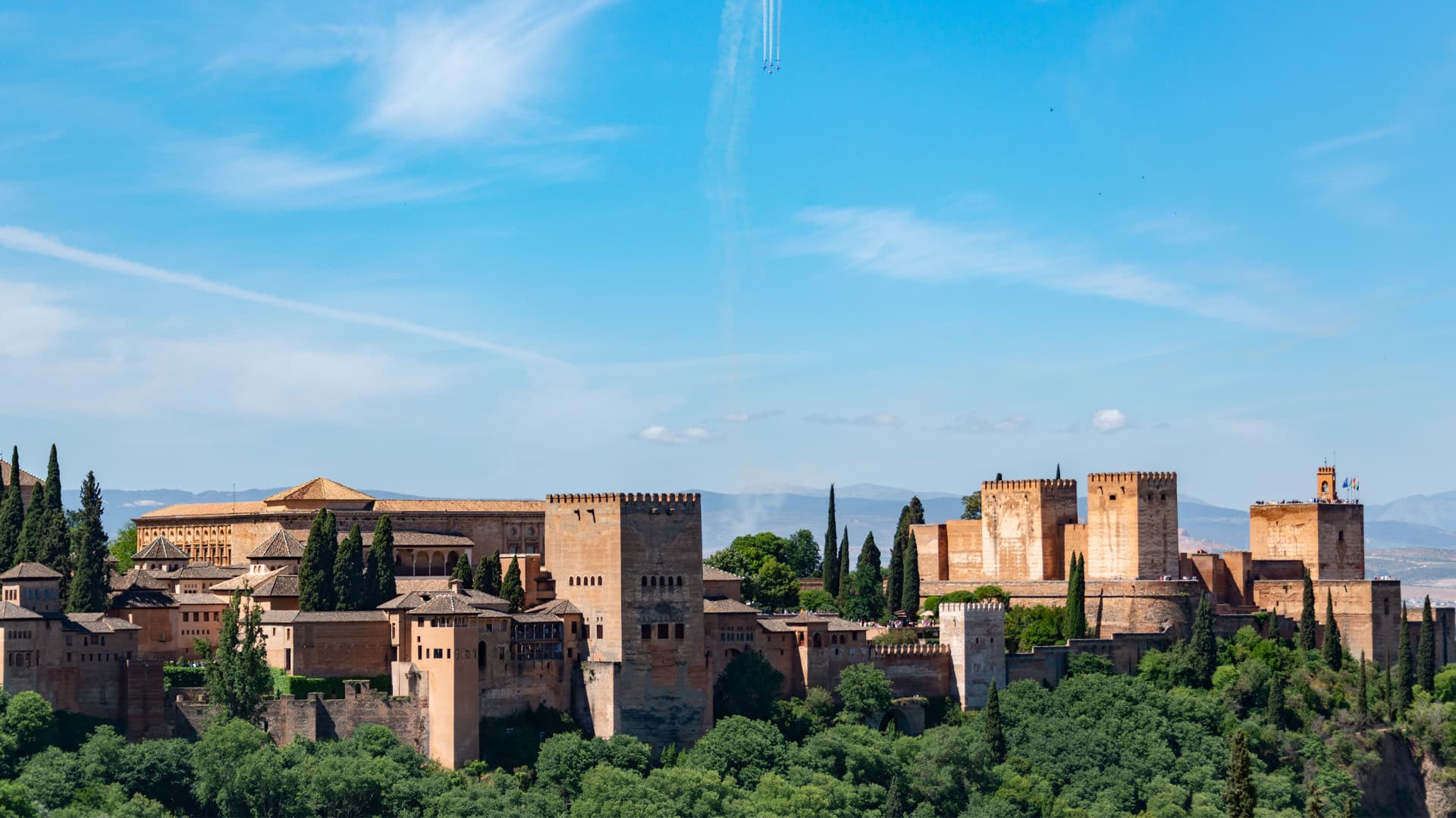
To speak of the city of Granada and the Alhambra is to speak of the thousands upon thousands of stories and legends that the passing of the years has bequeathed to one of the most important cities of its time. The history of Granada is also woven from the tales and sayings that have been passed down by word of mouth amongst its inhabitants, generation after generation. Thanks to this knowledge, we have been able to preserve the most intimate and popular aspects of Granada’s history.
The Legend of the Moor’s Sigh and the Alhambra
The Legend of the Moor’s Sigh is one of the best-known legends of Granada and the Alhambra. It is said that Boabdil, the last king of Granada, surrendered to the Catholic Monarchs in 1492 without putting up a fight. Following this conquest, King Ferdinand of Aragon and Queen Isabella of Castile exiled Boabdil and his court; they remained in the Alpujarras until their final departure for the African continent.
According to legend, on his way into exile, the deposed Boabdil did not dare to turn his gaze towards his beloved Granada. Only when he was far away, 12 kilometres from the city, did he pause to look back and gaze upon the Alhambra. At that moment, he sighed and burst into tears. His mother, Ayesha, then rebuked him with the famous words: “Weep like a woman for what you have failed to defend like a man.” Ever since, the mountain pass where this event took place has been known as Puerto del Suspiro del Moro.
The Legend of the Sundial
Some scholars claim that the complex of Nasrid Palaces at the Alhambra was designed as a giant sundial. By observing the pattern of shadows cast in the different rooms, one can tell the time of day – an effect that is particularly pronounced at midday, when the shadows divide the rooms into two halves.
Some argue that this effect is a chance result of the architects’ quest to make the most of sunlight, whilst others believe it was an intentional design choice to highlight the harmony between nature and architecture.
The Story of the Enchanted Soldier
Legend has it that within the chambers of the Alhambra’s palaces lived a cursed soldier who was destined to guard King Boabdil’s treasure for all eternity. This soldier could only leave his post once every hundred years. It was a student from Salamanca who found him and, after hearing his story, agreed to help him break the spell.
The student was required to bring a young Christian woman and a fasting priest to complete the ritual. However, the priest broke his fast by pouncing on the delicacies in the treasury, condemning the soldier to an eternal curse.
The Legend of the Hall of the Abencerrajes in the Alhambra
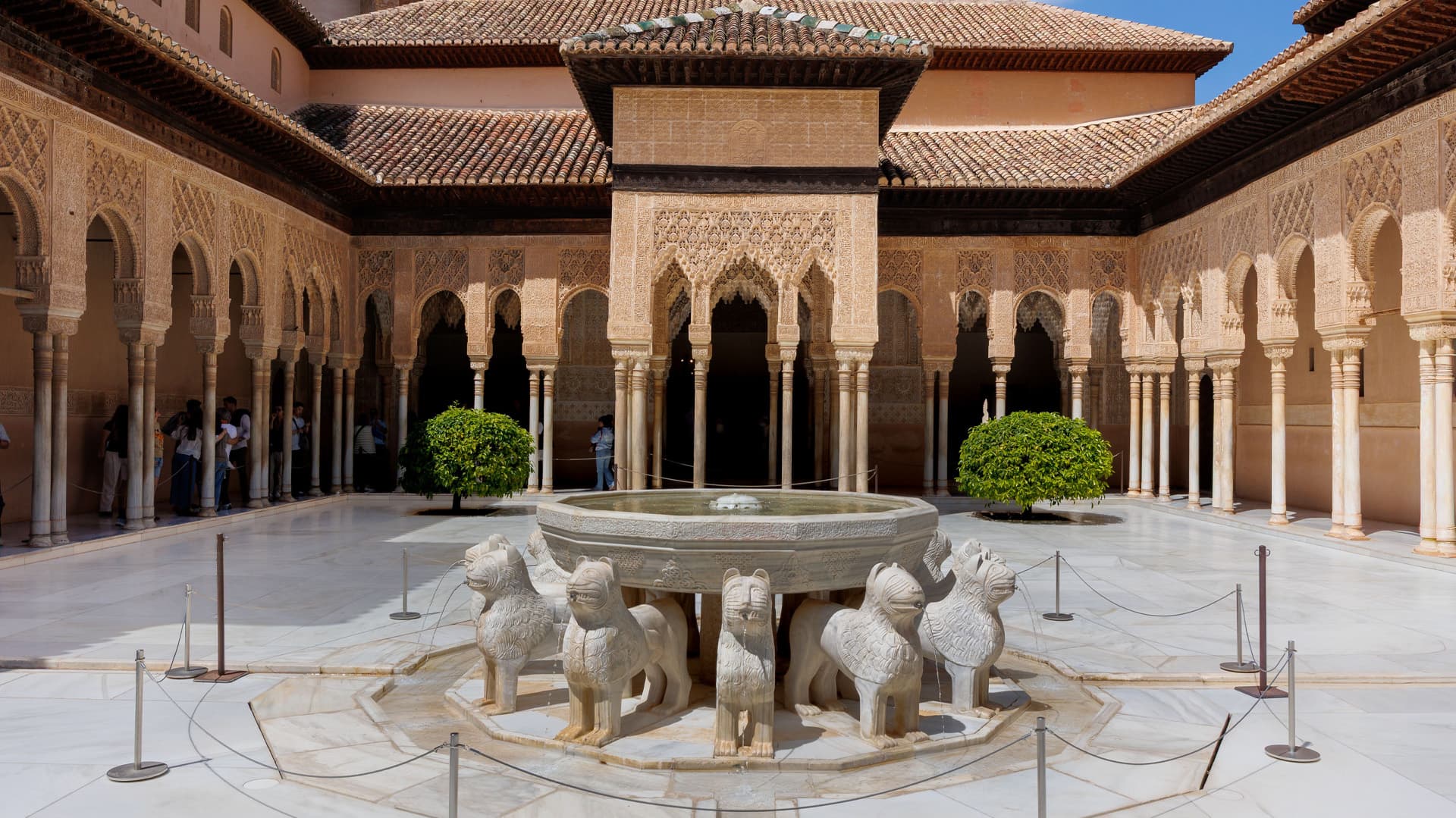
The Hall of the Abencerrajes, situated in the Palace of the Lions, stands out for its impressive muqarnas dome in the shape of an eight-pointed star. However, a bloody legend surrounds this hall: it was here that the Abencerrajes knights – warriors from North Africa who had come to fight against the Christians – had their throats slit.
According to tradition, the knights were summoned to the Palace and betrayed, and were murdered in this room. It is said that a stain on the marble basin in the centre is a remnant of the blood spilled on that fateful day.
The Legend of the Mexuar Tiles in the Alhambra Palace
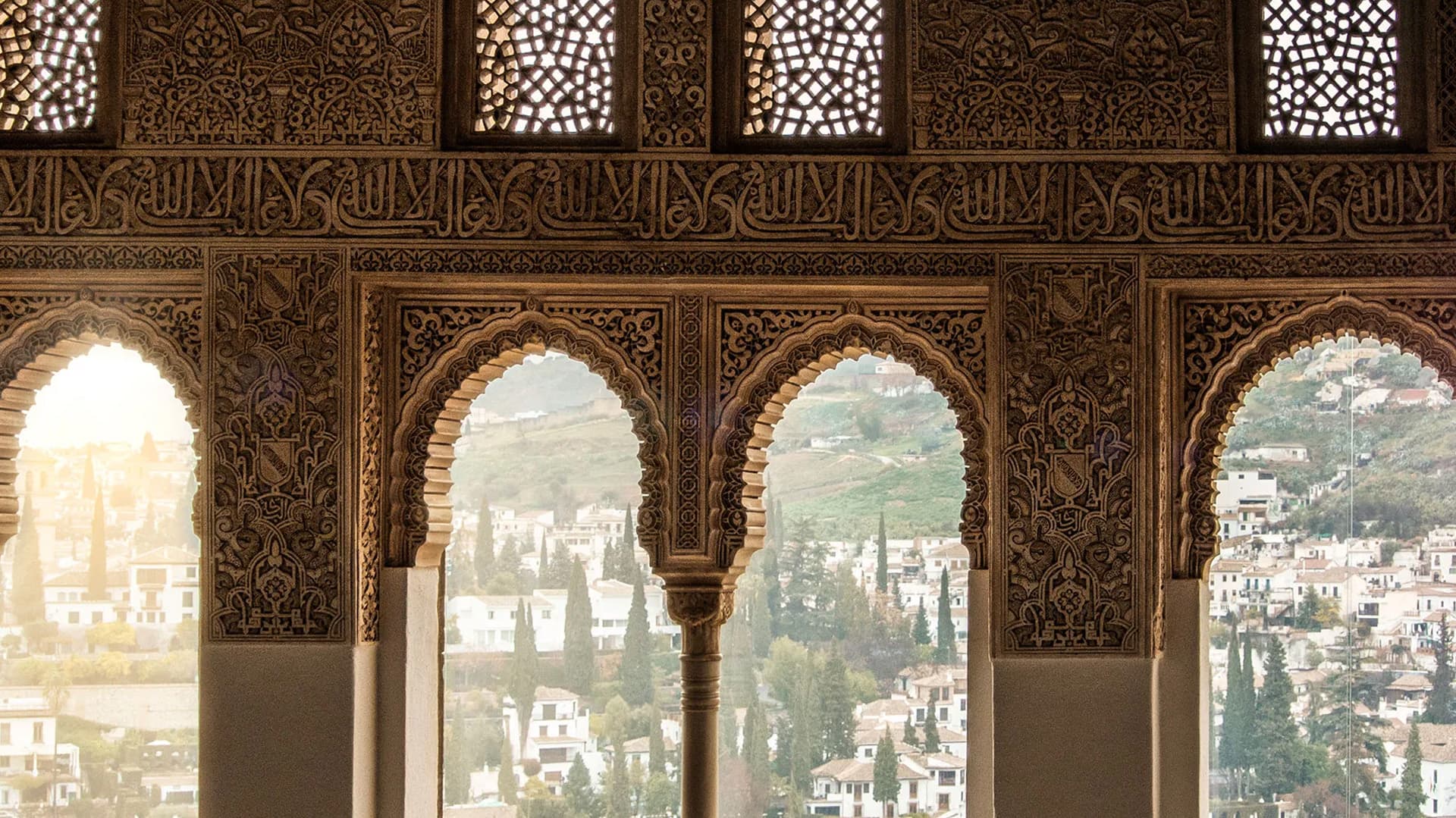
The Mexuar Hall, one of the oldest in the Alhambra, once housed a tile inscribed with the words: “Enter and ask. Do not fear to seek justice, for you shall find it”. According to legend, the sultan used to hide behind a latticework screen to listen to the accounts of those seeking justice, enabling him to deliver more impartial judgements thanks to this method.
The inscription reflected the trust and respect the people had for the sultan, who was regarded as a just and honourable ruler.
The Legend of Queen Zoraida and the Alhambra
Zoraida, one of Sultan Muley Hacén’s wives, was a Christian noblewoman named Isabel de Solís, who was captured and converted to Islam. After marrying the sultan, she became known as Zoraida, which means ‘Morning Star’. Her story is full of court intrigues and rivalries that weakened the court during the final days of the Nasrid kingdom.
The Tower of the Captive in the Alhambra is named after this legend, which combines love, politics and betrayal.